Jerusalem, Israel - Feb. 25, 2020 - With Israeli elections approaching for the third time in a year, campaign rhetoric is increasing.
Avigdor Lieberman is reported to have stated: "When ultra-Orthodox children get to the age of 13 in the modern world and have never learned English, math, or computers for even one day, then they become a burden on all of Israeli society because they are not able to bring in an income and support a family, especially given the large number of children in the ultra-Orthodox sector."
Multiple Israeli organizations are providing training to Haredi families in hopes for a better future and parnasa. Haredim are working to contribute to the Israeli social-economic dynamic and not exist on tzedakah.
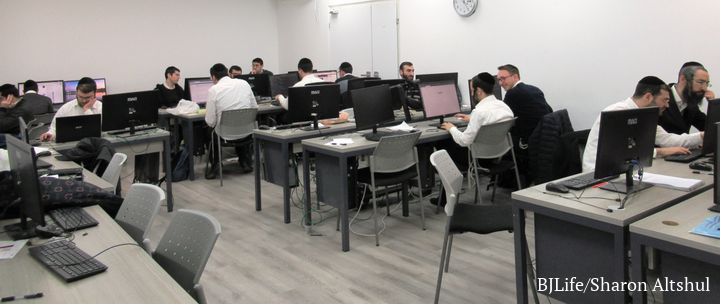
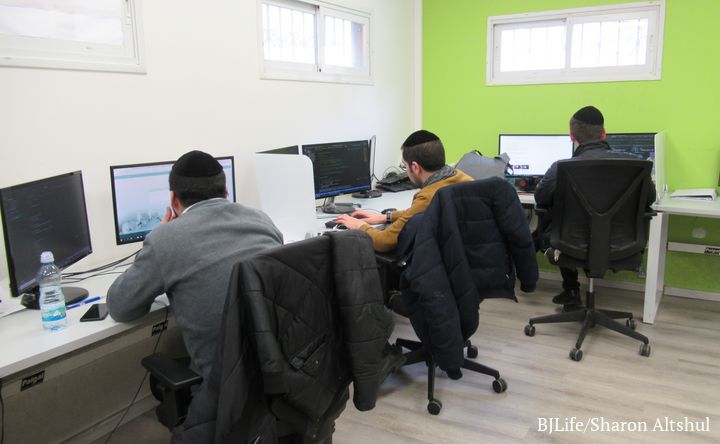
There is one cadre of young married men who have learned in Kollel for many years, both in Bnei Brak and in Yerushalayim, that are proving Lieberman wrong. Ravtech is unique as it provides training in hi-tech for Haredi men and insures employment after their training and internship period. The men learn in Beis Medrash in the morning from 9:00 am to noon and then learn computer skills in the afternoon to successfully work in hi-tech. They can remain at Ravtech as employees and mentor, or as 40-50 graduates have already done, move on to other computer jobs in what is considered a more challenging work environment, but with greater salaries.
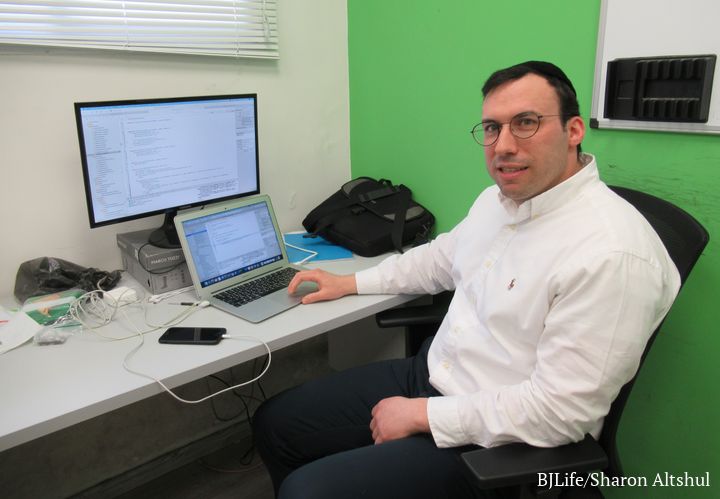
One Ravtech trainee's family made aliyah from Far Rockaway, NY. Avraham Kirsch grew up in the Yerushalayim area, went to the Mir Yeshivah, and learned in Kollel for ten years. With six children and looking for a way to support his family, Kirsch took an aptitude test and received guidance before coming to Ravtech. "The best part besides the training and experience," he told BJL, "is that there is a job waiting."
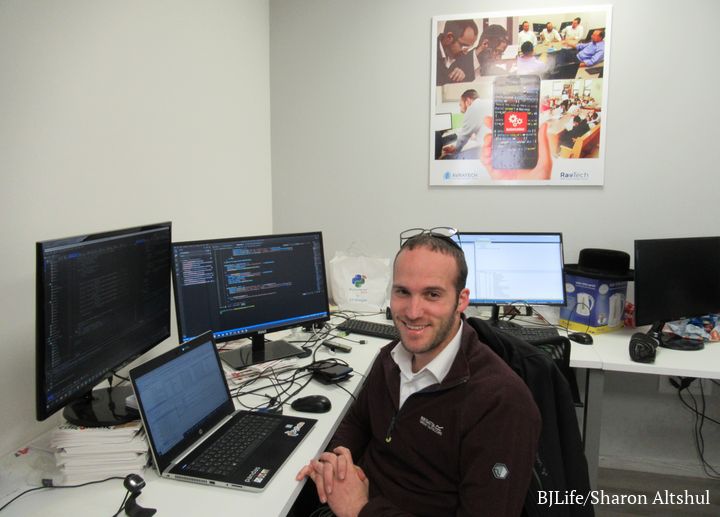
Shlomo Carmen worked in another field before coming to learn technology at Ravtech last year.
Ravtech was launched in 2012 in Bnei Brak by Rabbi David Leybel, with the goal of providing a framework where Haredi men could earn a parnasa while staying in a comfortable workspace. It expanded to Jerusalem in 2016.
According to Ravtech CEO Miki Segal: “The Haredi story is just the door-opener. We need to offer clients a competitive, premium product and value for the customer.”
Selected from hundreds of applicants, two cohorts of 30 students a year were accepted in the training program in 2019 and 2020. The retention rate is 75%, which is considered very high for training programs. Salary during the first 2 years at Ravtech is competitive with entry-level jobs for non-graduates.
Seven Years of Success Reported
- More than 2,500 applicants
- 124 graduates to date, of whom about 80 work in Ravtech
- Nearly NIS 40 million shekels benefit to Israel
- 11,175,000 lines of code written and debugged
- 106 hi-tech companies hire Ravtech services
- 744 lives financially improved in Ravtech graduates' families
- 5,700 people exposed to new role models in the Haredi community
According to Bituach Leumi, every Haredi man entering the workforce benefits the economy by NIS 93,000 shekels.
Co-founder Nice Systems and Chairman of the Board at Ravtech Benny Levin, spoke at an event to mark seven years of success in January 2020: “The learning capabilities we encounter here are amazing. Therefore, it is possible to create an incredible revolution that will bring a significant change in Israeli society. We will create the Google of the Haredi world, with the best Haredi minds in the world. That is our dream, and that is what we will achieve.”
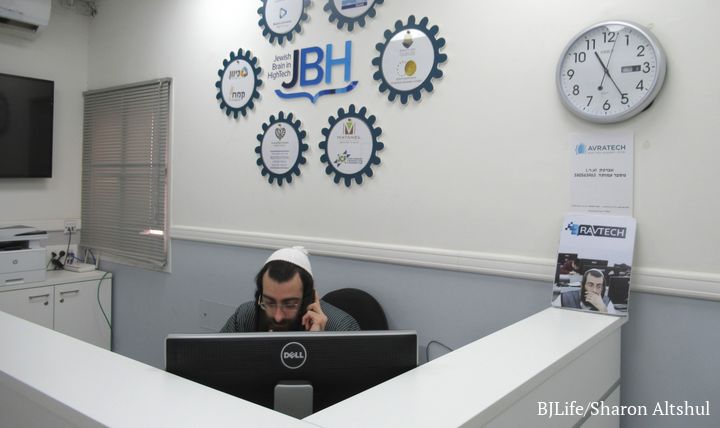
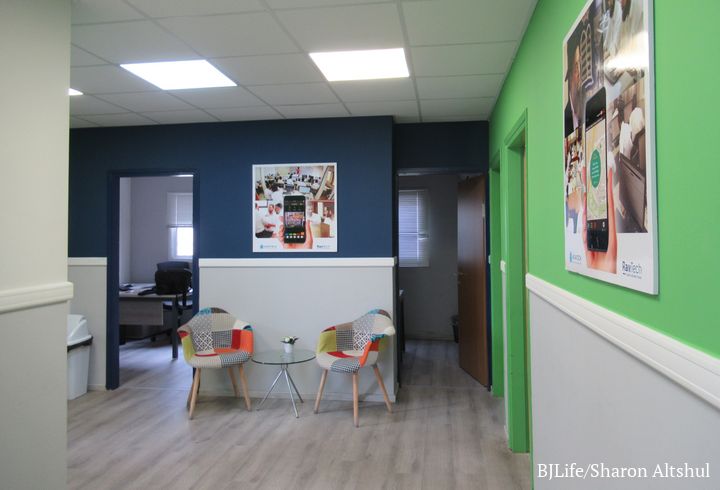
Thank you to VP Aaron Fruchtman for the opportunity to see the Ravtech facility in Yerushalayim at the JBH center and to meet the computer programming team working on the important Mikvah On-Line project.