Jerusalem, Israel - July 10, 2018 - As the civil war in Syria intensifies and the fighting moves south, far from Aleppo, sounds of gunshots and explosions are heard on the Israeli Golan Heights. In over eight years of rebel fighting, it is reported that over a half-a-million Syrians have been killed, and six million of their countrymen have fled their homes. Turkey has taken in over 3.5 million refugees; Jordan, Lebanon and Europe another 3 million.
In 2011, the situation in Syria was still thought to be part of the Arab Spring. However, the Israeli Defense Forces (IDF) decided to "think out-of-box," to be proactive, not reactive, according to Lt. Colonel (ret.) Marco Moreno, the former commander of "Operation Good Neighbor." The "Good Neighbor" policy began when Israelis caught a shepherd who had wandered over the border. The IDF sent him back to Syria, told him to go to the local leader, and tell him that the Israelis are ready to talk. In 2012, four young Syrian men ventured to the Israeli side; they said that food, medicine and medical treatment were what Syrians needed and wanted. These young men, raised on tales of Zionists, blood-thirsty killers, came ready to go to their death, but were told they could go home safely as they came.
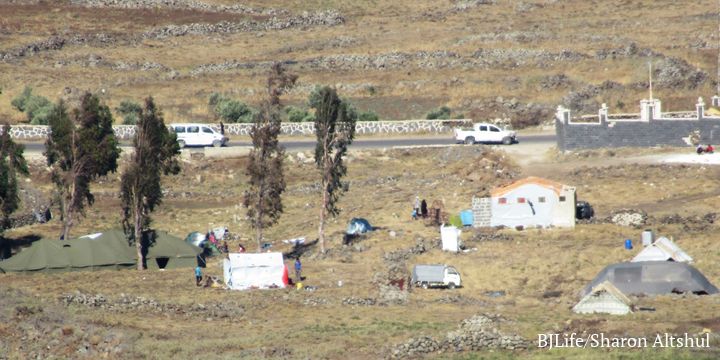
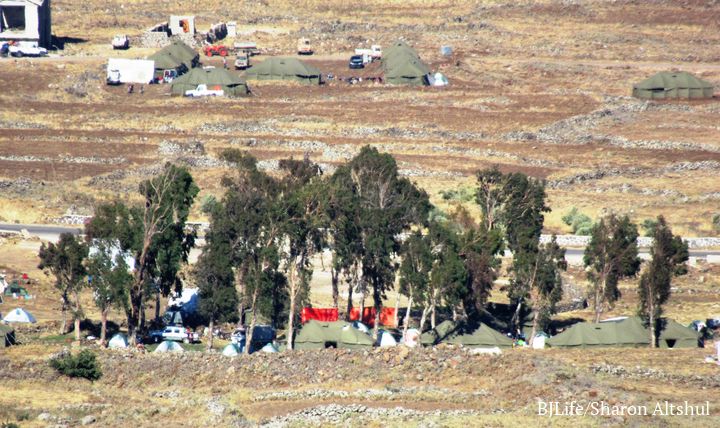
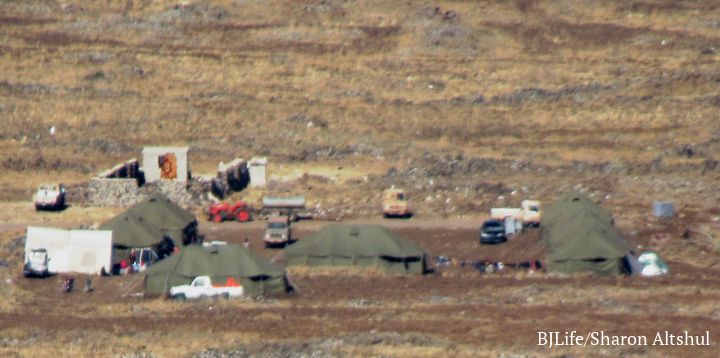
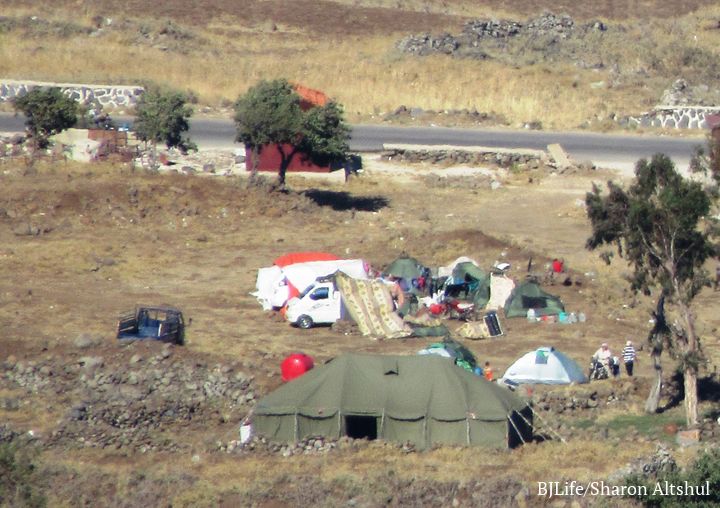
As fighting in the southern province of Dara'a intensifies with Russian air-power being used against the rebel-held areas, 120,000 Syrians have fled their homes, with tens of thousands headed to and encamped near the Israeli border for safety, and another 60,000 near the Jordanian border. The extent of the human crisis is finally coming to light. The United Nations, European Union, and Arab countries have not been providing humanitarian aid to the refugees. However, the IDF delivered 13 tons of food, 15 tons of baby food, three pallets of medical equipment and medicine, and 30 tons of clothing to Syrian refugees last week. Israel allowed another six Syrians, including four children, to cross into Israel for emergency medical treatment.
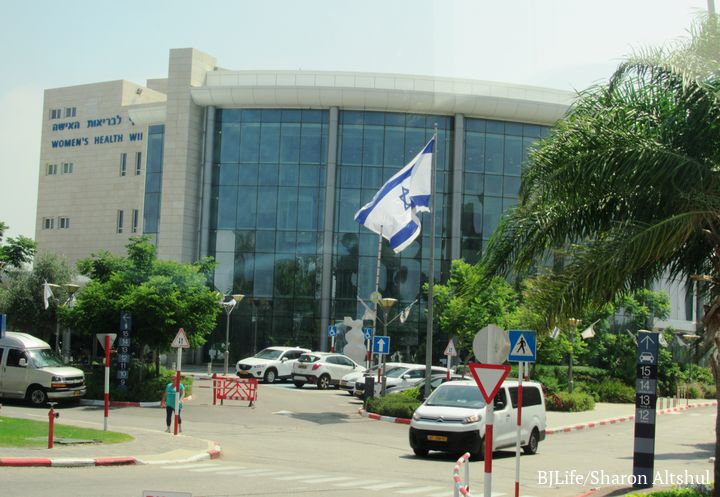
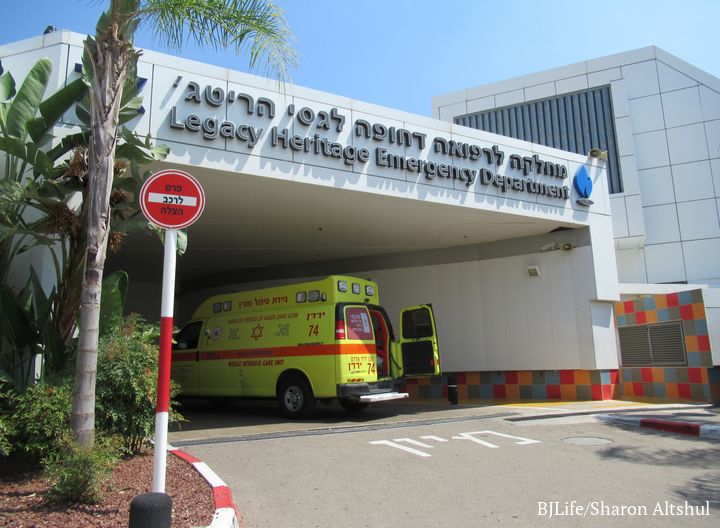
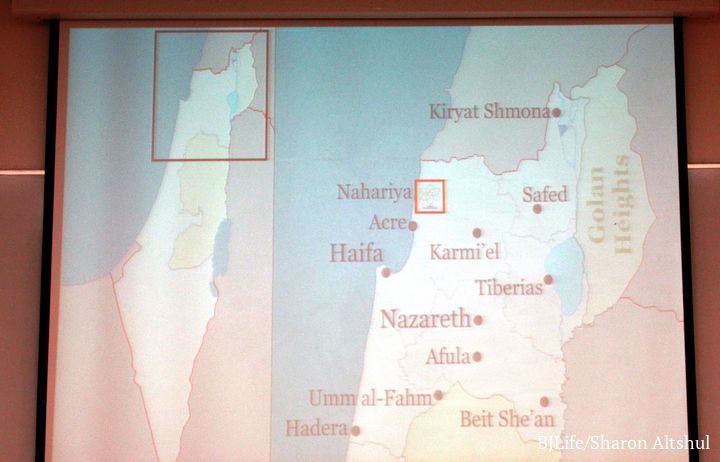
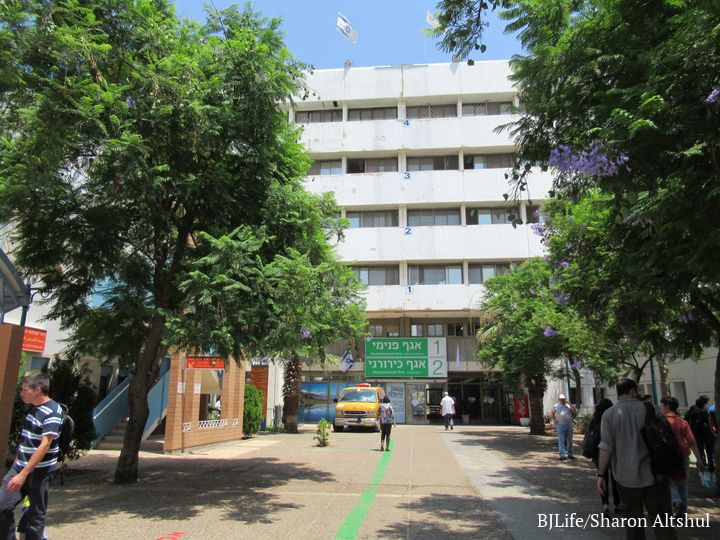
The Galilee Medical Center (GMC) in Nahariya, is the largest hospital in Galilee region, with 69 departments and specialty units. The main teaching hospital for the Bar Ilan University Faculty of Medicine, it has 722 registered beds, and a special division for Syrian patients.
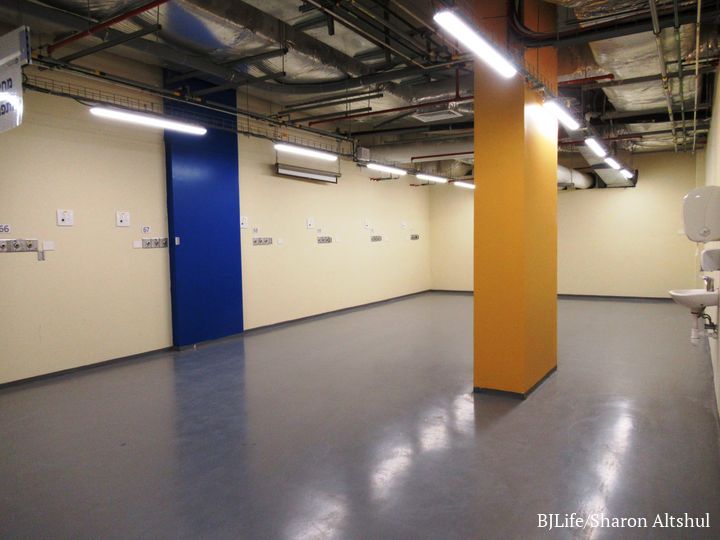
During the Second Lebanon War, more than 800 Katyushas were fired on the Nahariya area. One hit the 4th floor of GMC, destroying the Ophthalmology Department of the Surgical Wing. No one was injured as the patients and staff were evacuated to the Underground Hospital. Located six miles from the border of Lebanon, the GMC Underground Hospital had been prepared for security emergencies. Since 2007, an Arab Christian, Dr. Masad Barhoum, has served as GMC’s General Director, overseeing a facility and staff of 2,700 Muslims, Christians, and Jews working together to help those in need of medical treatment.
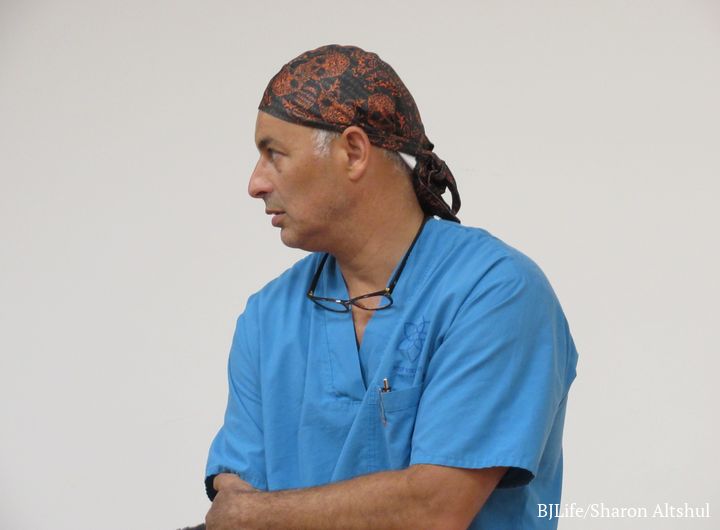
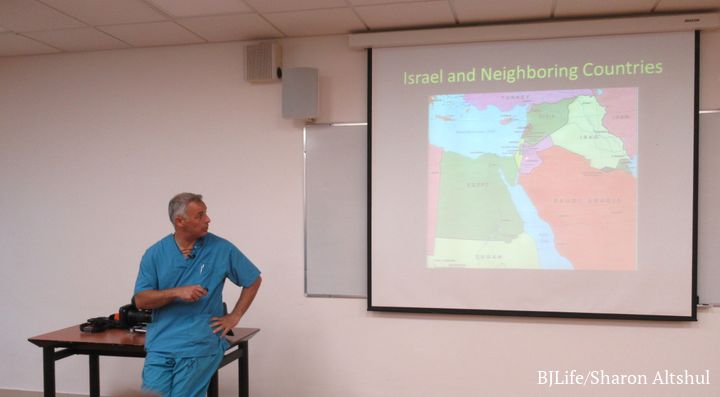
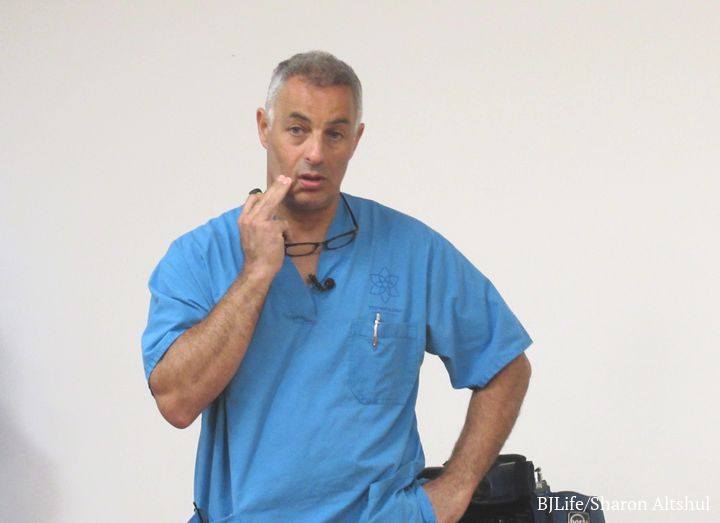
Dr. Eyal Sela, GMC head of nose, ear, throat, head and neck surgery, took time from the busy operating room to speak to a media tour. He explained that Syrian patients approach the border and go to the nearby IDF field hospital, and from there are taken to GMC or other Israeli hospitals in the north.
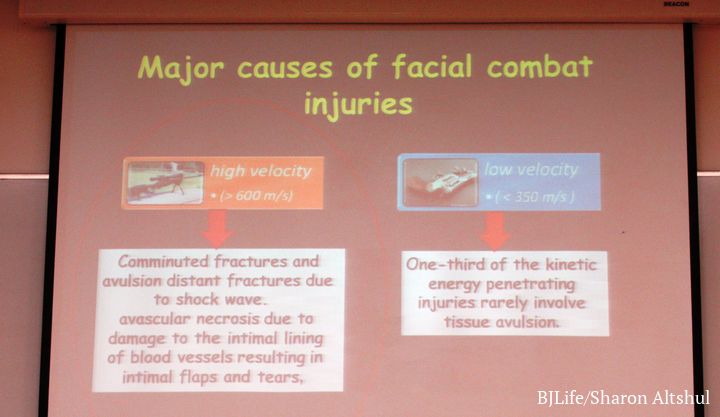
The first Syrian patients were admitted on February 16, 2013. Now more than 5.000 Syrians have taken advantage of this ongoing humanitarian effort, with 1,500 patients treated at GMC. One-third are women and children under 18, some who come for elective surgery. The recent intensified fighting has resulted in an influx of new patients. GMC receives those with oral and maxillofacial and orthopedic injuries resulting from gunshots and explosions causing head injuries. Most patients are male between 9-40 years old. Some patients spend two years in the hospital, having multiple reconstructive surgeries to repair damage from high-velocity sniper bullets meant to kill.
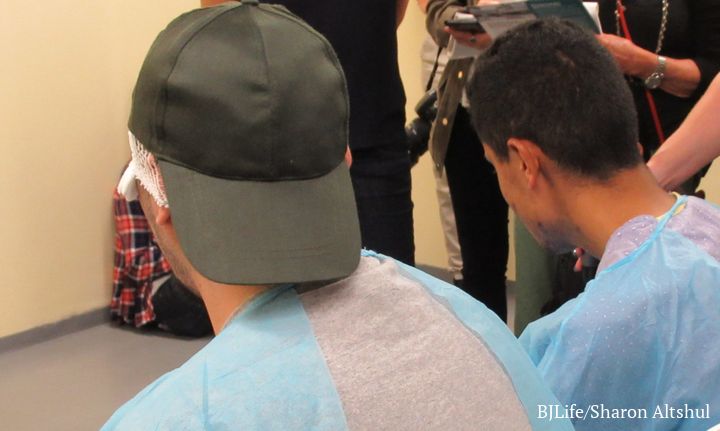
For the safety of Syrian patients who will go back to Syria, their photos are not published. Wheelchairs and crutches provided by IDF come from Jordan, with markings in Arabic.
Two Syrian patients were willing to be interviewed. Hani from Ghutta, near Damascus, has been in Israel for two years undergoing treatment, while Nawras, 22 years-old, from Quneitra, said he arrived in Israel on the 18th day of Ramadan, June 3rd.
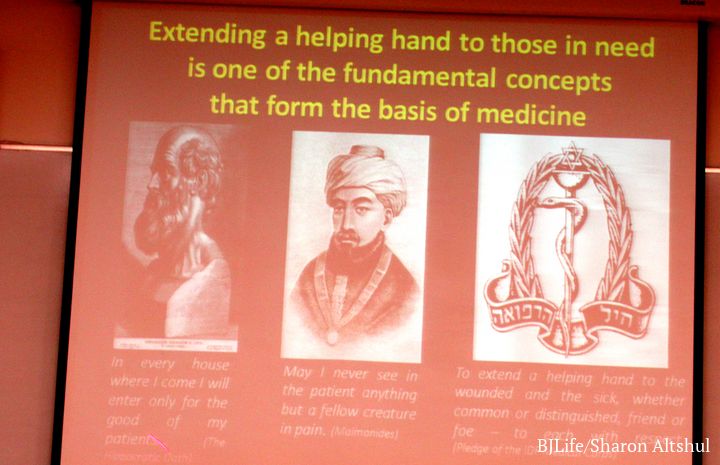
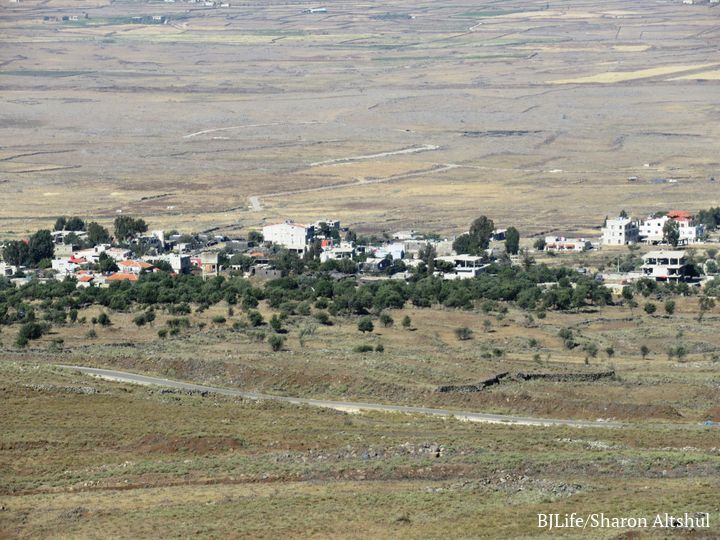
Once treated, patients want to go back home quickly as possible. Though they grew up not even allowed to say the word ‘Israel’ in their homes, only Israel will treat them, as the borders with their Arab neighbors are closed to them. The word of Israel’s goodwill has spread, and Syrians keep coming to the refugee camp in Biriqa 200 meters away from the Israeli border. One patient in need of medical attention was sent to Jordan, then to Turkey, and was told if he wanted to save his limb he should go to Israel. In one case, a patient was missing the lower part of his face, and doctors took part of the bone from his leg to reconstruct it. He went home, but came back for teeth, and received dental implants. Israeli medical teams use 3D printers to make the artificial noses.
The medical situation is Syria is in a state of crisis. Hospitals have been destroyed, and doctors charge a lot of money, so people go to pharmacies where they can get antibiotics, which Dr. Sela describes "like buying candy." Patients come with bacterial infections not known in Israel that are resistant to antibiotics. The GMC hospital budget covers the cost of the influx of Syrians, as doctors work round the clock. Most patients are civilians and are surprised when they wake up and see Jews and Arabs are working together It changes their perspective. Most need clothing as well, as they come with nothing. Syrian emergency patients at GMC become priority cases, over Israeli elective surgeries. There have also been nine Syrian babies born at GMC, where patients who arrive in middle of night are surprised to see signs in Arabic.
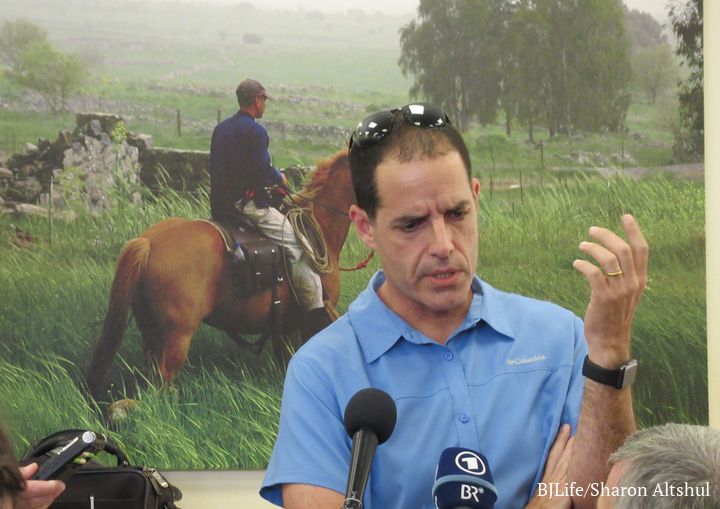
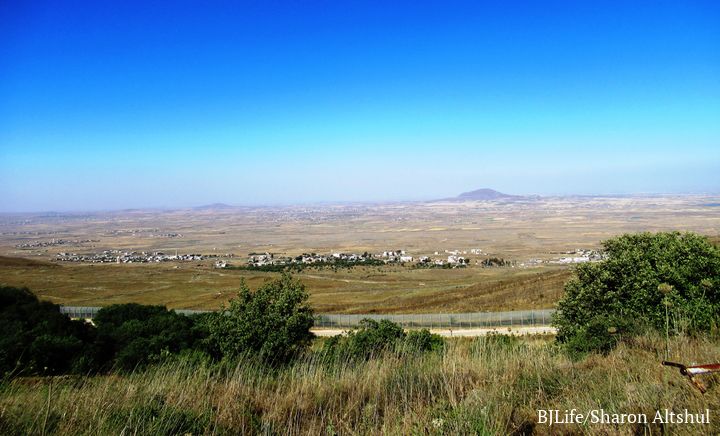
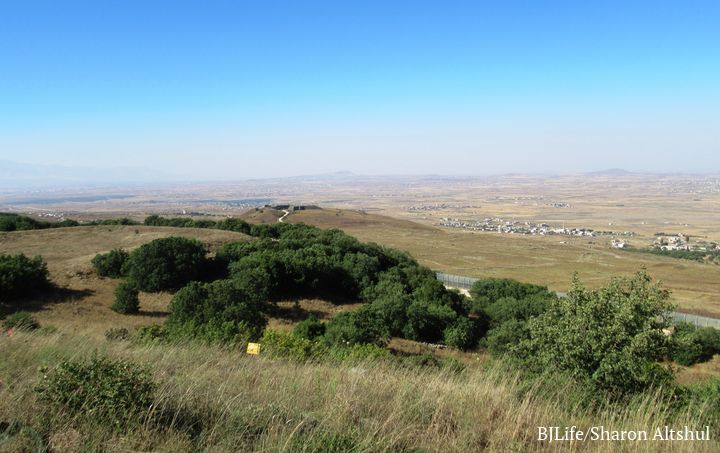
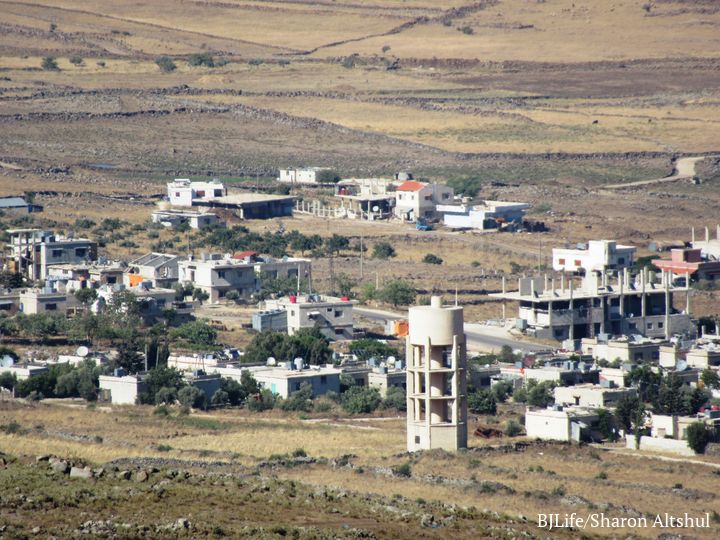
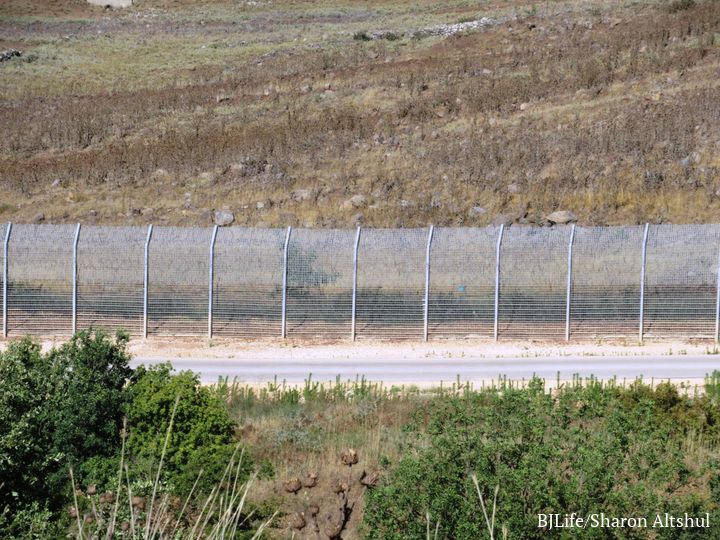
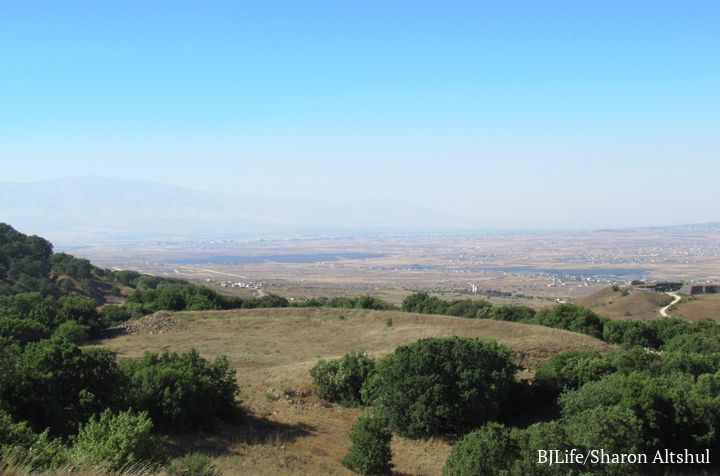
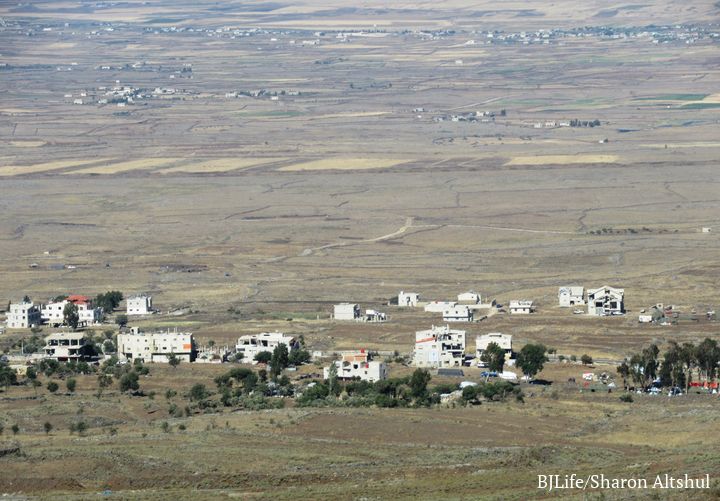
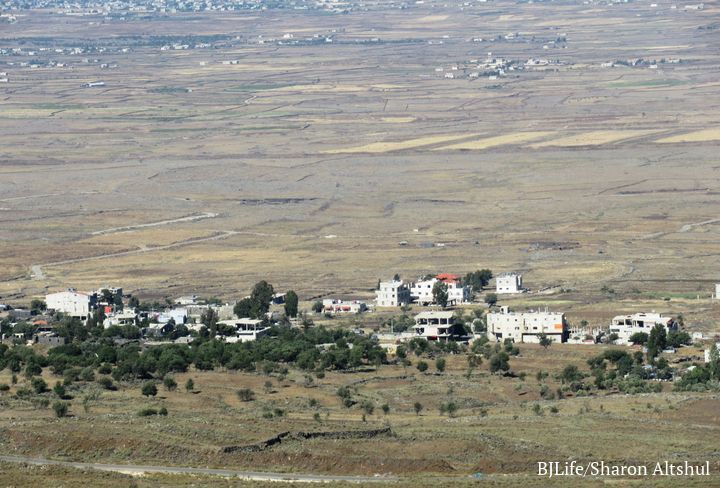
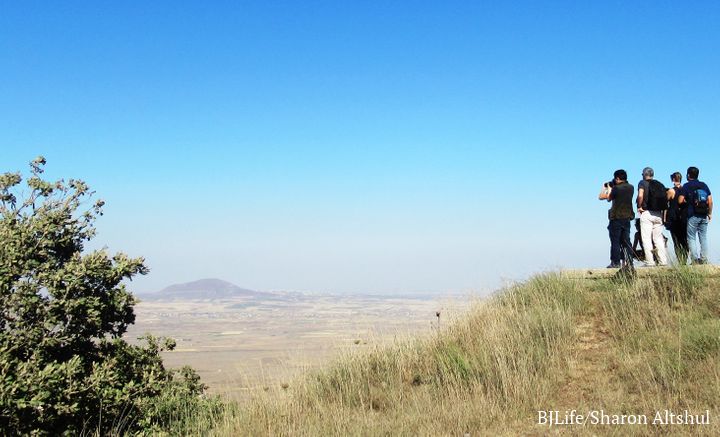
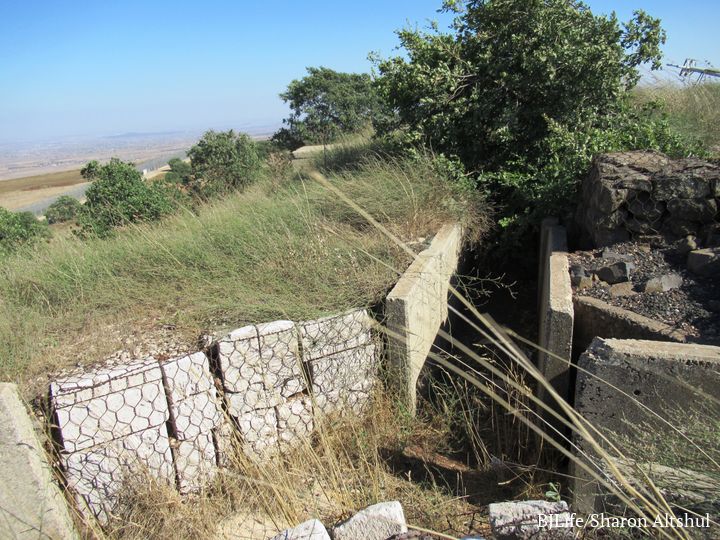
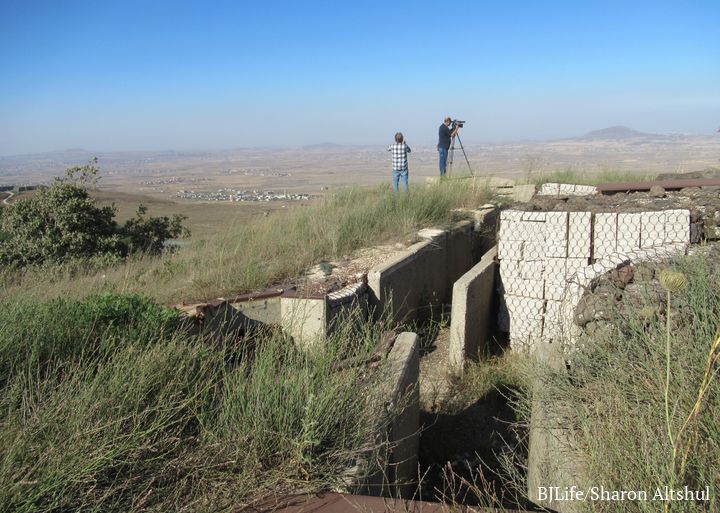
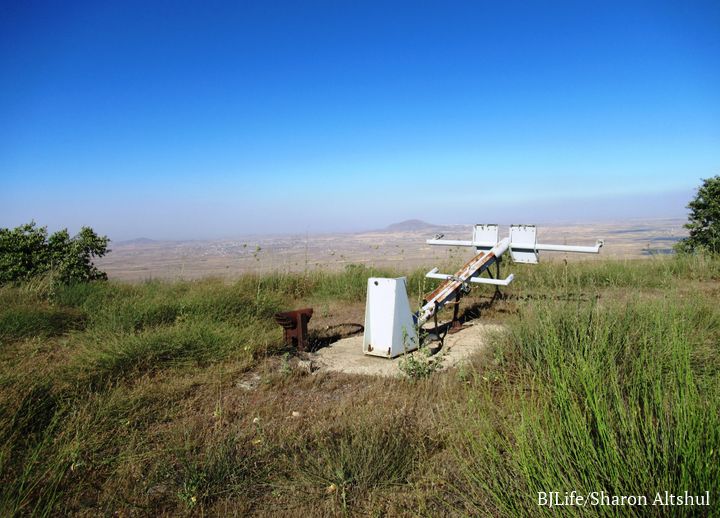
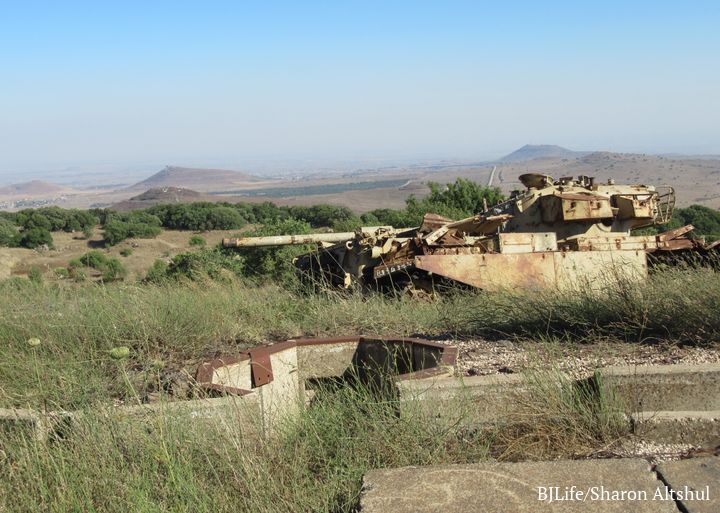
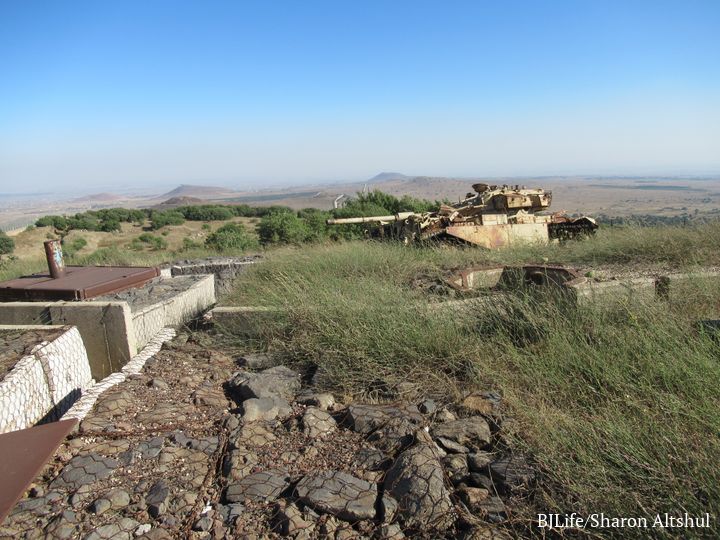
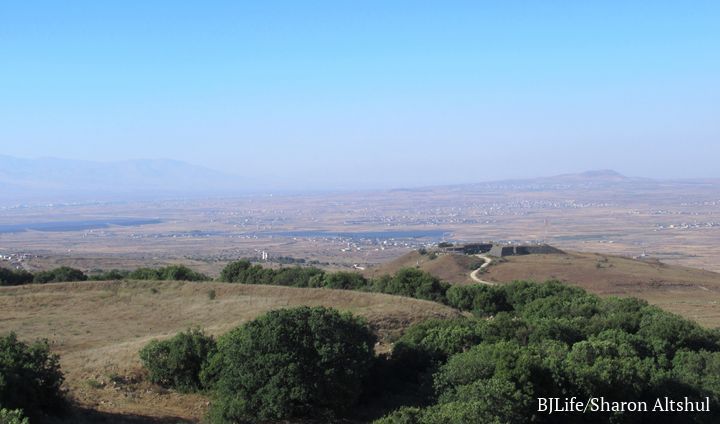
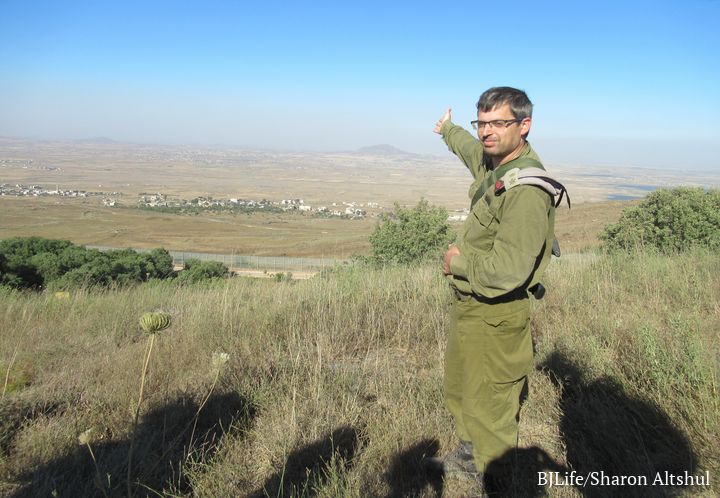
With a short trip to the Golan Heights one can hear and see where IDF soldiers risk their lives. Lt. Colonel Dr. Tomer Koller, the medical officer of the Bashan Division in the Golan Heights, showed us the areas of concern, at the Hazaka observation point on the border with Syria.
Assad started with 350,000 soldiers, now has only 35,000, but is supported by Russia, Iran and Hezbollah, in his attempts to wipe out the rebel resistance in southern Syria. Musa Abu-A, a Syrian opposition activist, has been in Al Briqa with his family for five years, while Mohammed H, a 29 year-old, arrived two weeks ago. Mohammed said there are many pregnant women and they were out of food, with air strikes on every moving, so they fled to the safest place, the Israel border. Syrian refugees are relying on the good will of Israel, assuming that no one will attack strong Israel, so the tent cities om the borders are growing.
Tuesday evening, on the eve of flying to Moscow to meet with Russian President Vladimir Putin, Prime Minister Benjamin Netanyahu made it clear Israel will not tolerate a military presence by Iran or its proxies anywhere in Syria and Syria must strictly abide by the 1974 Separation of Forces Agreement.
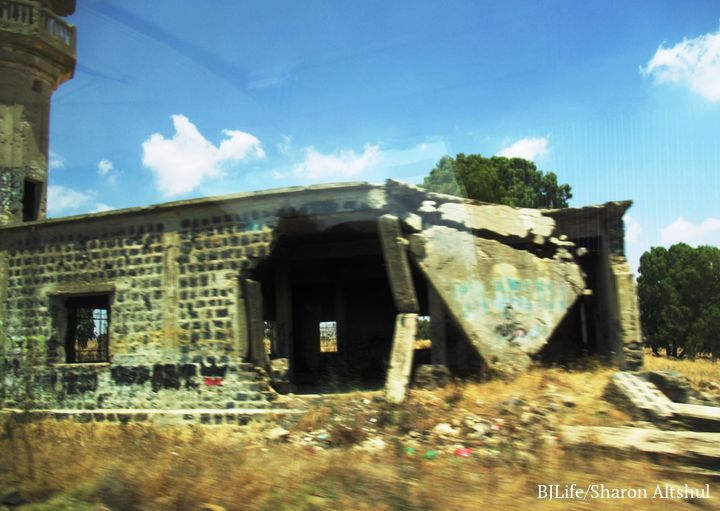
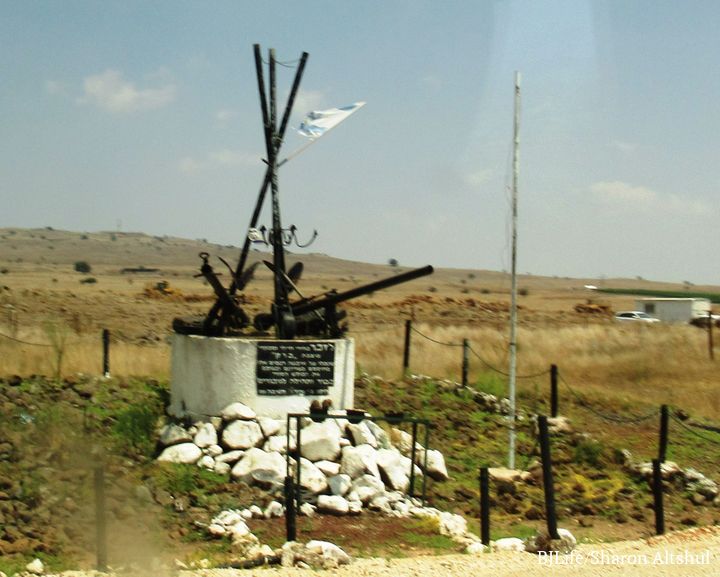
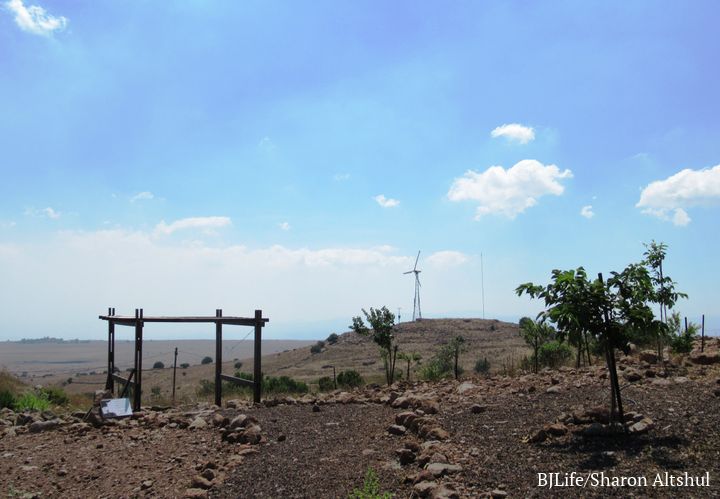
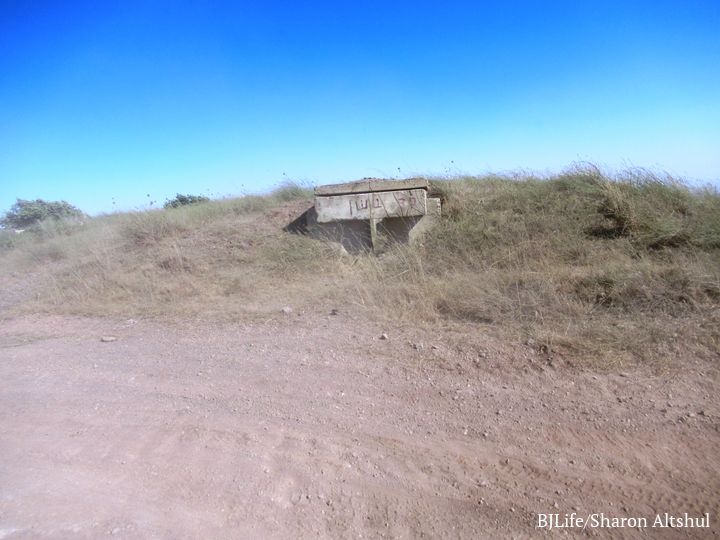
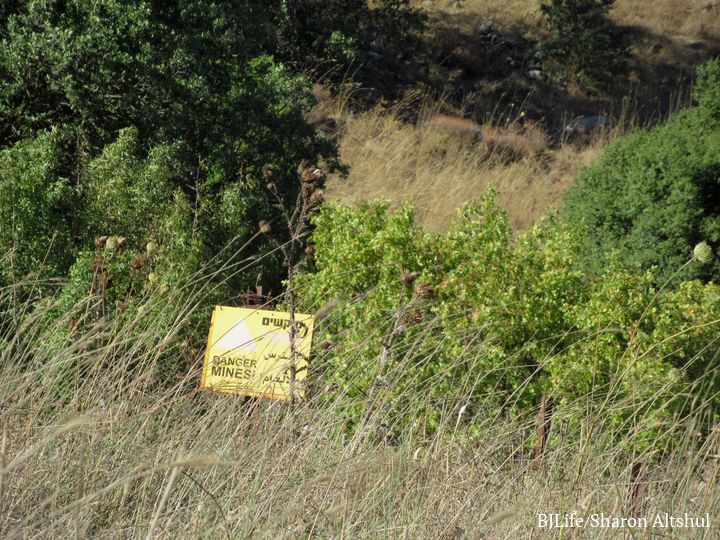
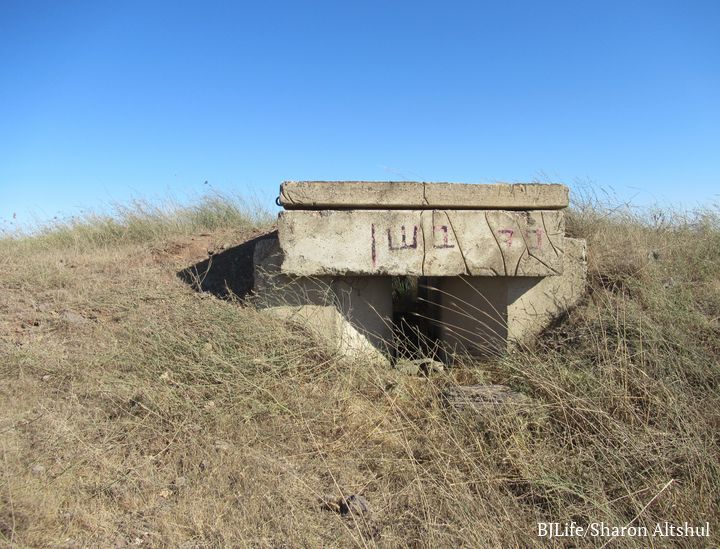
Photo essay includes Galilee Medical Center and Bashan area of Golan Heights, where damage from previous Syrian-Israeli wars remain.