
Posted on 02/18/26
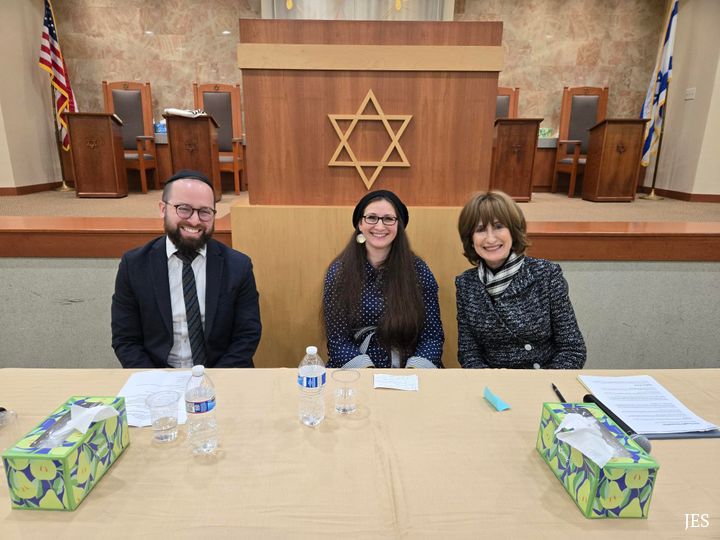
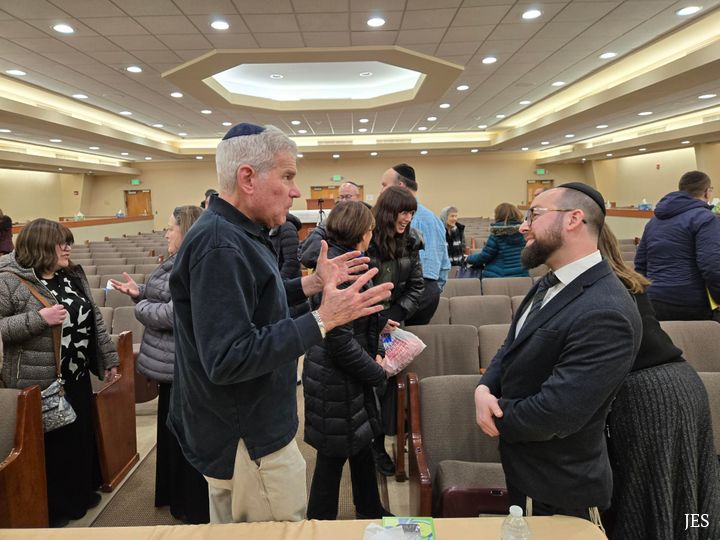
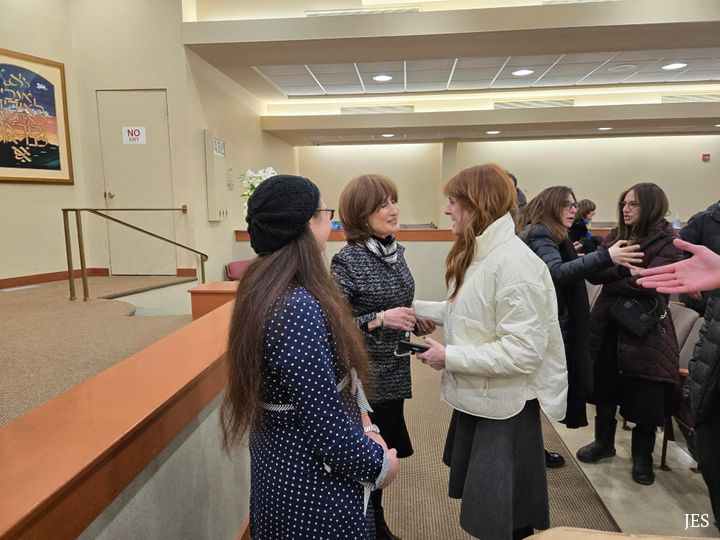
Baltimore, MD - Feb. 18, 2026 -The fifth annual Family First Lecture brought together Rabbi Yisroel Motzen, Dr. Tammy Mintz, and Dr. Zipora Schorr for a candid, thoughtful conversation to an audience that included parents and school leaders on how to raise emotionally healthy, resilient Jewish children today. Many attendees described the evening, hosted by Jewish Educational Services, as “refreshing,” noting how well the panelists complemented one another and how “relaxed, informative, and enjoyable” the conversation felt. Moderated by Rabbi Aaron Levitt, Executive Director of Jewish Educational Services, the program also honored the memory and enduring impact of Rebbetzin Dr. Aviva Weisbord, whose warmth, authenticity, and unwavering belief in people continue to guide JES’s work with children and families. Dr. Weisbord, remembered for her gentle wisdom, her ability to make every person feel seen, and her lifelong dedication to strengthening families and schools, embodied the very values the evening sought to elevate.
From the outset, the panelists returned repeatedly to a shared premise, emphasizing that children draw their sense of security from the steadiness of the adults around them. Dr. Schorr encouraged parents to cultivate homes marked by consistency, predictability, and stability, an antidote to the anxiety children inevitably absorb from a noisy world. She offered a simple but powerful practice, urging parents to pause and “take the temperature” of the home; if it feels frenetic, consciously lower it. Joy or simcha, she reminded the audience, is not superficial. It is the emotional tone that allows children to feel safe enough to grow. When calm rhythms shape daily life and gratitude is experienced, not merely spoken, children flourish.
Dr. Mintz approached resilience as both a deeply Jewish value and a developmental imperative. Drawing on decades of research, she highlighted the enduring strength of authoritative parenting, the balance of warmth with clear, consistent boundaries, over either harshness or permissiveness. Parents do “real good,” she noted, when they resist the instinct to solve every problem and instead allow their children to encounter manageable struggle. In those carefully chosen moments of stepping back, children step forward, discovering their own capacity to handle hard things.
Rabbi Motzen connected these themes directly to Torah life. He explained that healthy education requires both structure and spirit, with clear rules and expectations providing stability and the emotional richness of Torah living that gives those rules meaning. He spoke about agency as one of the greatest gifts parents can offer, guiding children to respond to challenges with dignity and inner strength instead of rushing to fix every conflict for them. When boundaries are firm and love is unmistakably felt, children learn to take ownership of their growth. The personal stories he shared brought to life how Torah values play out in everyday parenting moments.
The panel also addressed a paradox familiar to many families: we tend to limit children’s physical independence while granting them wide latitude in the digital world. The speakers suggested that a healthier balance may look like the reverse, gradually expanding age-appropriate real-world independence while setting clearer and more consistent boundaries online. When children are trusted with supervised autonomy in their everyday lives and technology is approached with greater caution, they are better positioned to grow responsibly and safely.
When the conversation turned to school, the panel made a heartfelt case for partnership rather than polarization. Dr. Mintz urged parents to start from a place of trust, remembering that schools genuinely want what is best for each child, even when difficult feedback is shared. Dr. Schorr emphasized the importance of generous communication and the discipline to pause before forming conclusions, noting that a child’s first account is not always the full picture. When home and school stay aligned, sharing information openly and keeping the focus on growth instead of blame, children are the ones who benefit most.
To anchor the evening’s guidance, Rabbi Motzen shared what he called the three P’s, simple and memorable prompts for parents: pay attention, patience, and prayer. Paying attention means noticing small shifts and asking gentle, curious questions. Patience is the reminder that children’s brains are still developing and that one difficult week does not define a child’s future. Prayer reflects the humility to recognize what lies beyond our control and to hold our children in sincere tefillah. Together, these three practices offer parents a grounded and hopeful way to navigate the daily work of raising a child.
Closing the program, Rabbi Levitt shared a classic Talmudic story about a traveler who blesses a life-giving tree with a simple wish, that its offspring be like it. He offered that same blessing to the families in the room, expressing the hope that our children will grow to reflect the best within us - our steadiness, our joy, our integrity, and the care we show in helping others feel seen. It was an apt tribute to Dr. Aviva Weisbord and a fitting distillation of the night’s message to create calmer homes, hold loving boundaries, model the Torah you want your children to love, and trust them enough to grow. One guest shared that the evening “was a wonderful tribute to Dr. Weisbord’s neshama and life.”
The evening was a testament of the deep value JES places on supporting families. Through our parent programming, monthly CHADD meetings, and upcoming events, like the parent lecture with Mariposa Education on March 9, JES strives to provide practical guidance and meaningful connection for every parent. For more information on how JES can help you, please reach out to Faye Friedman at ffriedman@jesbaltimore.org or call 410-843-7589.
.jpg?width=720&watermark=JES&hash=blY4FtmzFKdcpGBtMlVMmIlOkLZosCLAGXazivt34Zk)
